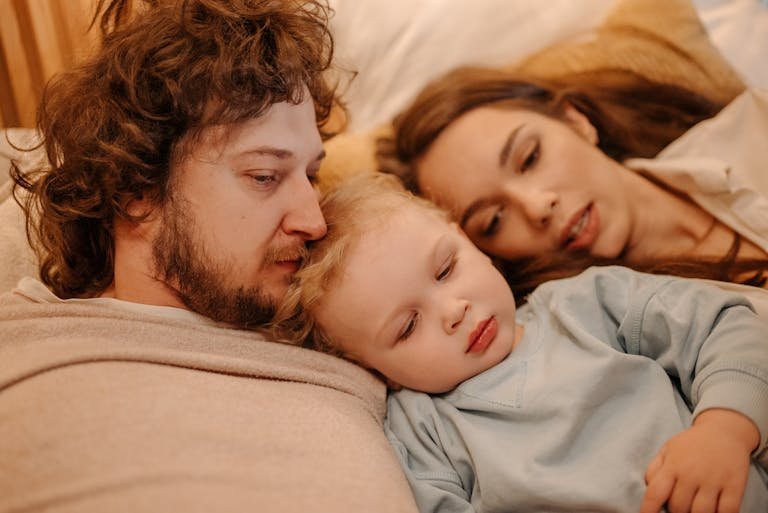
Parenting can be rewarding, but it also brings its fair share of stress and challenges. Between school responsibilities, social pressures, and family dynamics, stress and anxiety often become part of everyday life—for both parents and children. Emotional Freedom Technique (EFT), also known as “tapping,” offers a simple and effective way to navigate these emotions. This article explores what EFT is, how it works, and how it can help ease emotional struggles for the entire family.
Understanding Emotional Freedom Technique (EFT)
EFT is a technique designed to help individuals manage their emotions and reduce stress. It’s rooted in the idea that negative emotions disrupt the body’s energy flow, much like a river blocked by a dam. By tapping on specific points on the body while focusing on an emotional issue, EFT attempts to restore balance and calm.
What Is EFT?
At its core, EFT combines elements of acupressure and mindfulness. It involves tapping on key points on the body—called acupoints—while acknowledging and working through specific thoughts or feelings. This practice is believed to unstick “blocked” energy pathways, similar to principles found in traditional Chinese medicine.
The Science Behind EFT
While EFT may sound unconventional, there’s a growing body of research supporting its benefits. Studies have shown that tapping can lower cortisol levels—commonly known as the “stress hormone.” When stress levels drop, the body naturally feels calmer, allowing for clearer thinking and lower emotional reactivity. EFT offers a unique blend of physical and emotional regulation techniques, which is why many families turn to it as an accessible tool.
EFT vs. Traditional Stress Management Methods
Compared to other techniques like deep breathing or meditation, EFT brings a physical component into the mix. The tapping process itself can feel more interactive and hands-on—ideal for children who might find stillness or breathing exercises too abstract. Unlike some stress-management methods, EFT allows users to directly address their specific concerns in a very targeted way.

How EFT Can Help Children and Parents
EFT is versatile—it can be tailored for adults managing hectic lives or for children struggling with emotions they don’t quite understand. By working together, parents and kids can approach stress relief as a team.
Emotional Challenges in Children
Kids often lack the vocabulary to express their emotions, which can lead to frustration, tantrums, or withdrawal. Common stress triggers might include school pressures, peer conflicts, or fears of failure. EFT provides a safe, non-verbal outlet for children to process these emotions and feel a sense of control.
Strengthening the Parent-Child Bond Through EFT
Practicing EFT with your child can create special opportunities for connection. Inviting them to tap alongside you fosters trust, while open discussions about feelings nurture emotional honesty. Bonding through this process shows children that it’s okay to acknowledge their emotions and that managing them is possible.
Creating an EFT Routine at Home
Integrating EFT into your family life doesn’t have to be complicated. Choose a calm time of day—such as during bedtime or after school—and practice together. Keep sessions lighthearted, especially for younger kids, to ensure the experience feels safe and enjoyable.
Step-by-Step Guide to EFT for Beginners
Ready to give EFT a try? Below is a beginner-friendly guide to help parents and children start tapping.
Identifying the Issue and Setting Intentions
Begin by talking about what’s bothering you or your child. For example, a child might share that they’re scared of speaking in class. Then, create a simple affirmation, such as, “Even though I feel scared, I love and accept myself.” This phrase is repeated throughout the tapping process to encourage self-compassion.

The EFT Tapping Points
EFT involves tapping on specific areas of the body with your fingertips. Here’s a list of the primary points:
- Side of the Hand: Known as the “karate chop” point.
- Eyebrow: Where the eyebrow meets the nose.
- Side of the Eye: The bone on the outer corner of the eye.
- Under the Eye: The area on the bone below the eye.
- Under the Nose: The spot between the nose and upper lip.
- Chin: The area just below the lip.
- Collarbone: The soft spot under the collarbone.
- Under the Arm: About four inches below the armpit.
- Top of the Head: The crown of the head.
Practicing EFT with Children
Make the experience enjoyable when working with kids. Use playful language to engage their imaginations or describe the tapping process as “pressing reset buttons” on their emotions. You can also use visual aids or stories to help them understand the process better.
Benefits and Considerations of EFT
Like any tool, EFT has its strengths and considerations. By understanding both, parents can make informed choices about what’s best for their families.
Emotional and Physical Benefits
Regular EFT practice may lead to reduced anxiety, better emotional regulation, and improved focus. Many users report sleeping better and feeling more in control of their emotions. These benefits extend to both kids and parents, making EFT a family-friendly resource.
Addressing Skepticism Around EFT
It’s natural to have doubts about a method that feels unfamiliar. While EFT isn’t a replacement for professional therapy, studies suggest it can serve as a helpful supplement. Taking a “try it and see” approach often helps families determine its value firsthand.
When to Seek Professional Guidance
If your child’s anxiety or stress feels overwhelming, it’s always a good idea to consult a trained therapist. Certified EFT practitioners can offer deeper guidance, tailoring the technique to your specific needs.
Conclusion
EFT offers parents and children a practical way to approach life’s emotional hurdles together. By incorporating a physical activity like tapping with open emotional exploration, families can build resilience and connection. Simple, safe, and adaptable, EFT could be the stress-management tool your family has been searching for. Why not give it a try today? With just a little practice, you and your child might find yourselves feeling lighter and more connected.
For more on EFT: Visit and Subscribe to our YouTube channel for FREE quick and easy EFT tapping sessions!